
How Much Does a Concrete Driveway Cost?
If you’re considering a new concrete driveway, one of the first questions you’re probably asking is simple: How much is this going to cost? The honest answer is - that depends - but understanding what goes into the price can help you plan confidently and avoid unexpected surprises.
On average, a standard concrete driveway costs between $10 and $20 per square foot. This is dependent in part for if you’re planning on having one or two cars in your driveway. For many homeowners, that means a total project cost in the range of $3,000 to $8,000, depending on the size, scope, and design of the driveway.
So what factors influence the final price?
Size and layout are the most obvious drivers. A longer or wider driveway requires more concrete, more labor, and more time. Curves, slopes, or custom layouts can also increase complexity and cost.
Site preparation is another major factor. If the existing surface needs to be removed, the ground needs grading, or the soil is unstable, additional prep work may be required. While this can add to upfront costs, proper preparation is essential for preventing cracking, drainage issues, and uneven settling down the road.
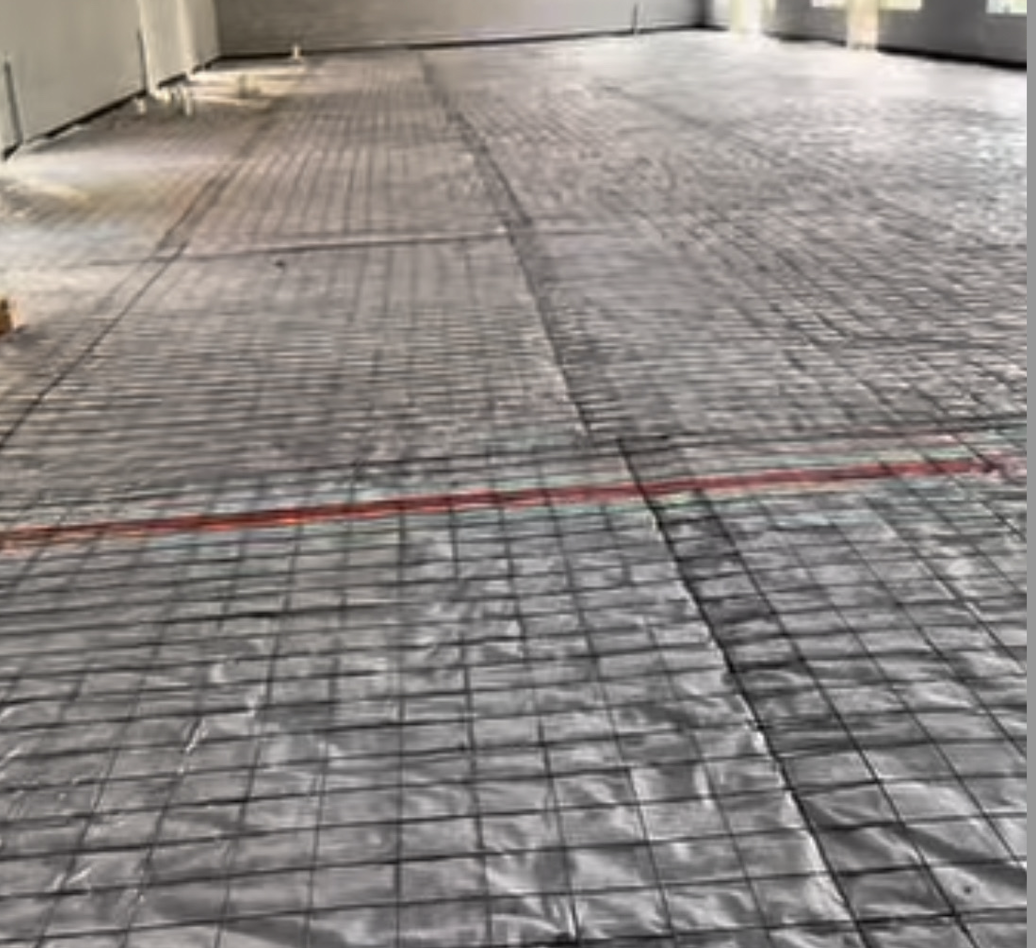
Reinforcement plays a key role in durability. Rebar or wire mesh strengthens the concrete and helps it handle vehicle weight and seasonal movement. It may slightly increase the price, but it often extends the life of the driveway significantly.
Finish and design options can also impact cost. A standard broom finish is typically the most affordable, while stamped, stained, or decorative concrete adds visual interest—and additional expense.
Timing and weather conditions matter more than many homeowners realize. In the Southeast, temperature and moisture levels affect curing and labor scheduling. Professional crews plan pours carefully to ensure quality results, which can influence pricing depending on the season.
A concrete driveway is a long-term investment in your home’s functionality, safety, and curb appeal. When properly installed and maintained, it can last 30 years or more. The best value doesn’t always come from the lowest bid—it comes from quality materials, skilled installation, and thoughtful planning.